Ledger Login: Secure Access to Your Crypto Wallet
Discover how to safely log into Ledger, manage your digital assets, and maintain top-notch security for your crypto investments.
Introduction
In the rapidly evolving world of cryptocurrency, security is everything. A single misstep can lead to loss of funds, and that’s why hardware wallets like Ledger have become the backbone of digital asset protection. To make this process seamless, Ledger offers its own software interface — Ledger Live — which connects securely to your device, enabling users to monitor balances, send or receive funds, and even stake crypto. But before any of this can happen, understanding the Ledger login process is crucial.
What Is Ledger Login?
The Ledger login isn’t a typical username-and-password scenario. Instead, it’s a secure connection between the Ledger hardware wallet (such as the Ledger Nano X or Nano S Plus) and the Ledger Live app. Every transaction, account addition, or data sync goes through the physical device for verification, ensuring hackers cannot access your funds even if your computer is compromised.
Ledger’s design philosophy emphasizes the principle of “your keys, your crypto.” This means your private keys never leave your hardware device. The login process merely authenticates your session and syncs your portfolio data with the Ledger Live interface.
How to Log In to Ledger: Step-by-Step Guide
Step 1: Download Ledger Live
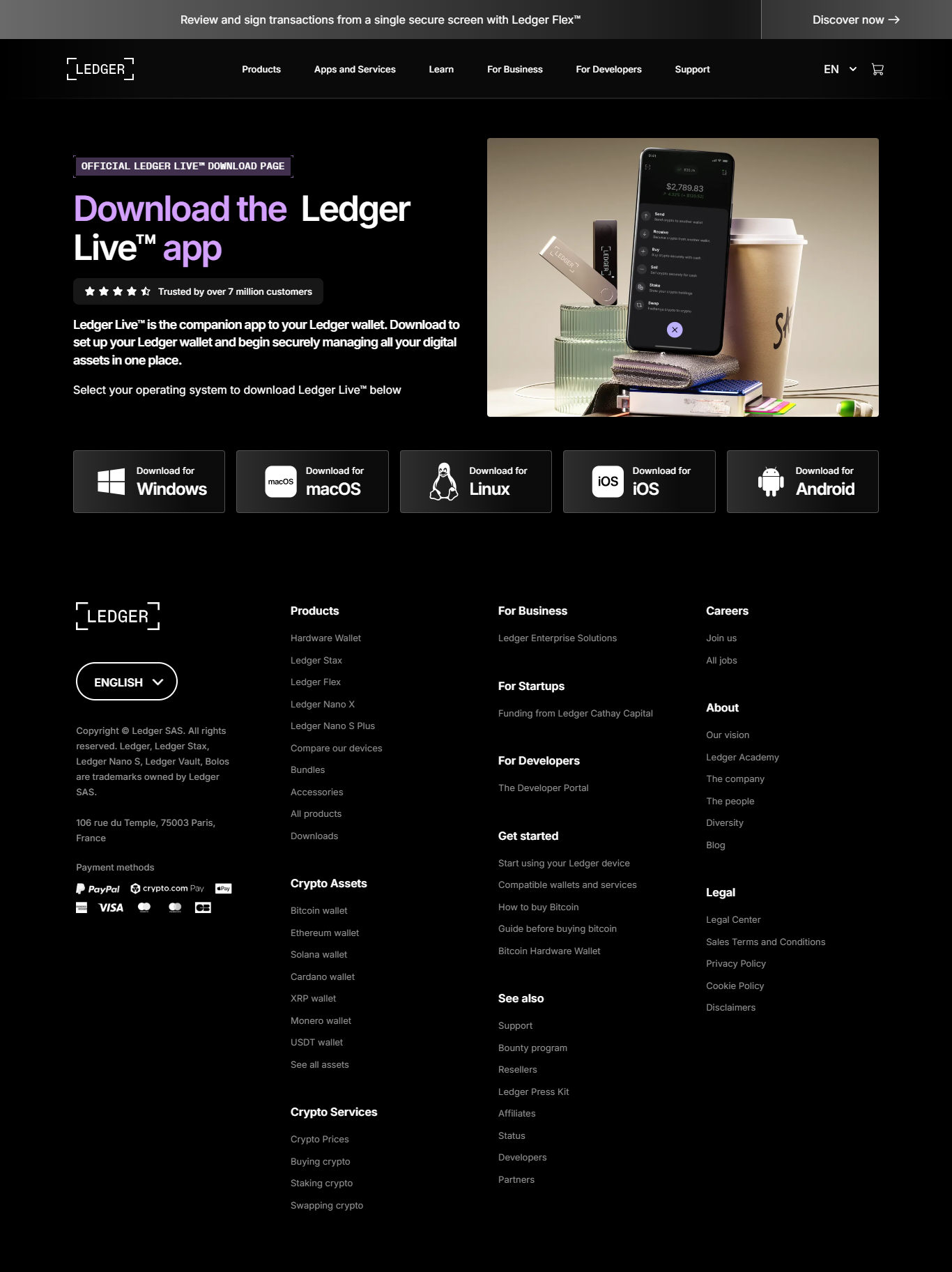
Visit the official Ledger website and download the Ledger Live app for your operating system (Windows, macOS, or Linux). Ensure you’re downloading from the authentic source to avoid phishing attempts.
Step 2: Connect Your Device
Plug your Ledger hardware wallet into your computer using a USB cable. For Ledger Nano X users, Bluetooth connectivity is also available for mobile devices.
Step 3: Open Ledger Live
Once connected, launch the Ledger Live app. The app will automatically detect your hardware device and prompt you to unlock it using your PIN.
Step 4: Authenticate
Ledger Live will verify your device by checking its integrity. This ensures the device has not been tampered with and that you’re connecting to a genuine Ledger product.
Step 5: Access Your Portfolio
Once authenticated, you’re logged in. You can now manage your assets, check your balance, stake coins, or send and receive crypto transactions securely.
Security Mechanisms Behind Ledger Login
Ledger’s login structure is designed around hardware isolation. Unlike software wallets, Ledger ensures all cryptographic operations — including signing transactions and generating private keys — occur inside the secure chip of your device.
Here’s what makes the Ledger login highly secure:
- PIN Protection: Every Ledger device requires a PIN to unlock. After three incorrect attempts, the device resets, protecting your data.
- Secure Element (SE) Chip: Similar to chips used in passports and banking cards, the SE chip prevents unauthorized access.
- Recovery Phrase: A 24-word seed phrase ensures you can recover your funds if the device is lost or damaged.
- Firmware Verification: Ledger Live checks for authentic firmware before connecting, blocking compromised devices.
Common Ledger Login Problems & Fixes
While the Ledger login process is generally smooth, users may occasionally face connectivity issues. Here are some common problems and their quick fixes:
| Issue | Cause | Solution |
|---|---|---|
| Device not recognized | Outdated drivers or faulty cable | Update Ledger Live, use a different USB cable/port |
| Ledger Live won’t open | Software conflict or outdated version | Reinstall Ledger Live, ensure OS compatibility |
| Transaction not validating | App mismatch or pending firmware update | Update coin app via Ledger Live |
| Bluetooth not connecting | Nano X Bluetooth settings | Enable Bluetooth on both devices, retry pairing |
Pro Tips for a Safer Ledger Login Experience
- Always verify that the Ledger Live software is downloaded from the official source.
- Keep your recovery phrase offline and never share it with anyone — not even Ledger support.
- Use a dedicated, malware-free computer for managing your crypto assets.
- Regularly update both Ledger Live and your hardware firmware for maximum protection.
- Consider enabling the “Genuine Check” before every session to verify device authenticity.
Ledger Login vs. Traditional Wallet Access
To appreciate Ledger’s login architecture, it’s worth comparing it with regular web or mobile wallet logins.
| Aspect | Ledger Login | Web/Mobile Wallet |
|---|---|---|
| Security | Hardware-encrypted, offline private keys | Online storage, vulnerable to phishing |
| Authentication | Physical confirmation required | Password or biometric only |
| Accessibility | Requires device connection | Quick but less secure |
| Recovery | Seed phrase restoration | Email or phone recovery |
Frequently Asked Questions (FAQ)
1. Can I log into Ledger without my device?
No. The hardware device is mandatory for login and transaction signing. Without it, Ledger Live can only show cached portfolio data (if previously synced).
2. What if I lose my Ledger device?
You can restore your crypto assets on a new Ledger device using your 24-word recovery phrase. Never store this phrase online or digitally.
3. Is there a Ledger login for web browsers?
Currently, Ledger Live is a desktop and mobile application. Web logins are avoided to enhance security and reduce phishing exposure.
4. Can someone hack my Ledger login?
Not directly. Since the private keys are stored within the hardware, even compromised computers can’t extract or misuse them. Always verify transactions on the device screen.
Conclusion: Ledger Login – The Gate to Secure Crypto Management
The Ledger login process symbolizes the perfect blend of convenience and security. Unlike conventional wallets that rely solely on cloud verification, Ledger’s hardware-based authentication creates a physical barrier between your funds and online threats. Whether you’re managing Bitcoin, Ethereum, or dozens of other supported coins, Ledger ensures your digital wealth stays protected and under your control.
In a world where crypto thefts are rampant, using Ledger isn’t just a smart choice — it’s essential for anyone serious about safeguarding their assets.